

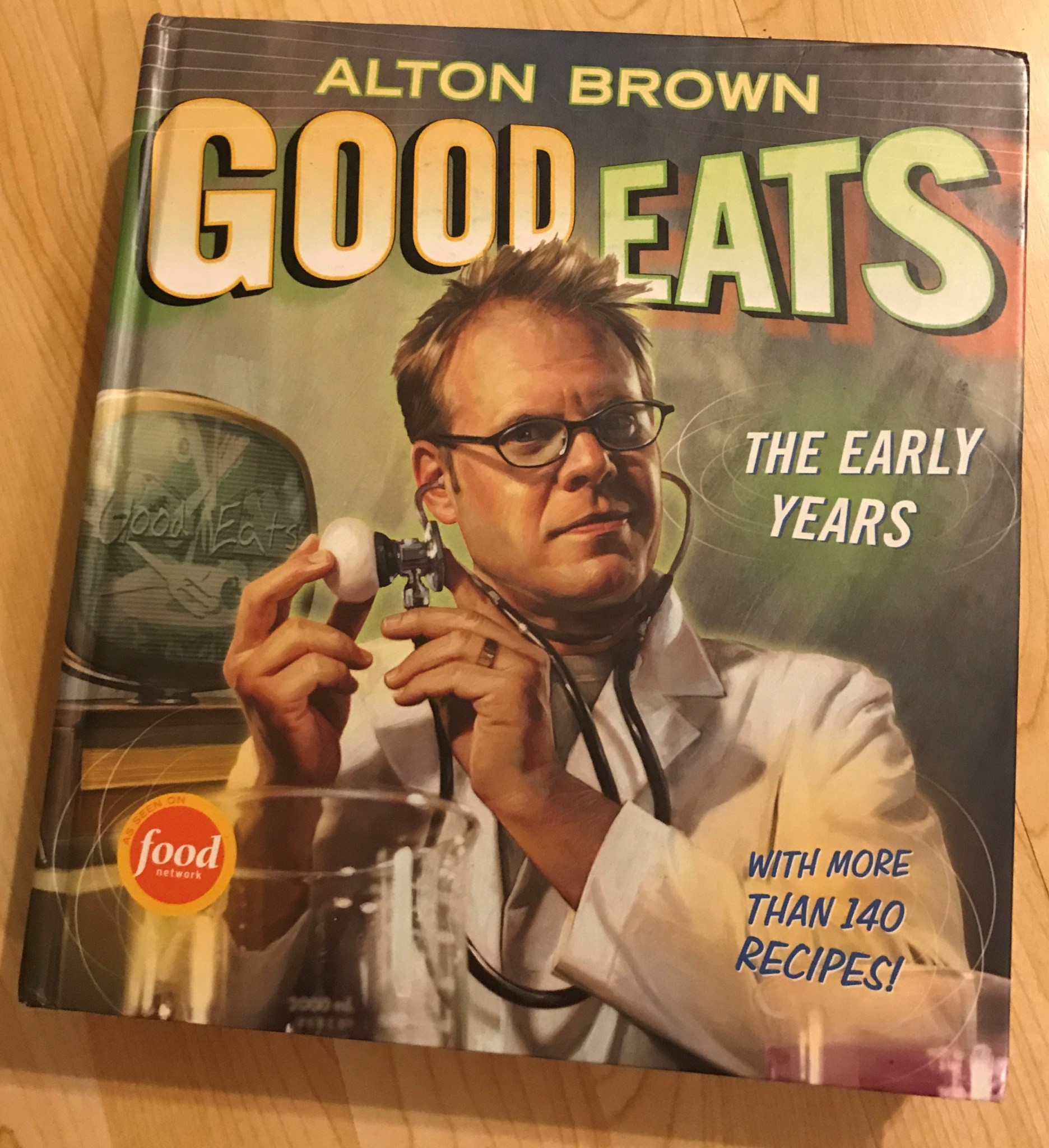
Even the best of friends must sometimes disagree. Since Joanna Gaines doesn’t actually know me (I’m sorry to say) I doubt it will keep her up at night, but I have to say this: you’re making Spinach Artichoke Dip wrong, Jo. Much like pizza, there’s really no such thing as a “bad” spinach artichoke dip, but I have certain closely-held opinions on the subject. For one thing, I NEVER cook the dip in an inedible container, as Jo recommends. Her instruction to “put it in a pie plate” wounds me to the core. It’s a bread bowl or nothing, and that’s just for starters. (No pun intended!) Technically I was supposed to make garlic bread to use as a vehicle for getting more artichoke dip into my mouth, but why not make the ENTIRE BOWL out of garlic bread?? Exactly. My second issue: where the heck was the salt? It seems weird to include pepper, but not its old pal sodium chloride. 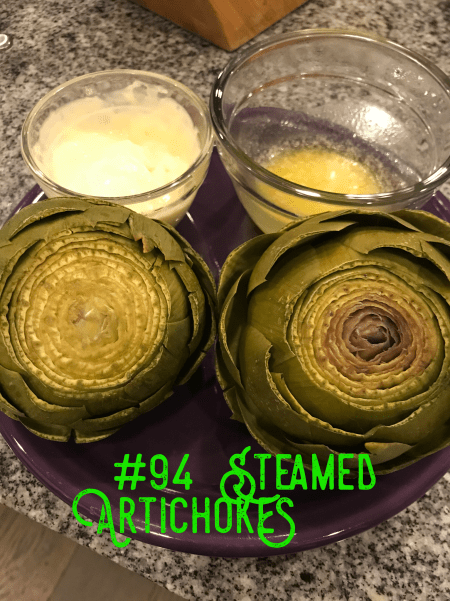 The flavor was kicked up several notches with just a few twists of the salt grinder. Then there was the artichoke itself. I would have loved to steam my own artichokes and use the hearts for this recipe, but quite frankly it would have cost me about $50 to get enough artichoke “meat”. I’m not that much of a purist! I made recipe #94: Steamed Artichokes a few months back, and while delicious, canned hearts are far more cost effective and taste just fine. Lastly, her directions told me to use dried dill, which in the winter would be totally acceptable, but while I have a summertime pot overflowing with a foot of blossoming dill weed, only the fresh stuff is going in. There is little in this world more satisfying than marching out to your very own garden and picking ingredients you personally brought into existence. It sure beats paying $3.98 per sprig at the store, when 2/3 goes bad in the fridge! The end result certainly was “good”, but on this particular recipe, I’m going to respectfully assert that my own version is better. If I ever meet Jo, everyone must disavow knowledge of this post…
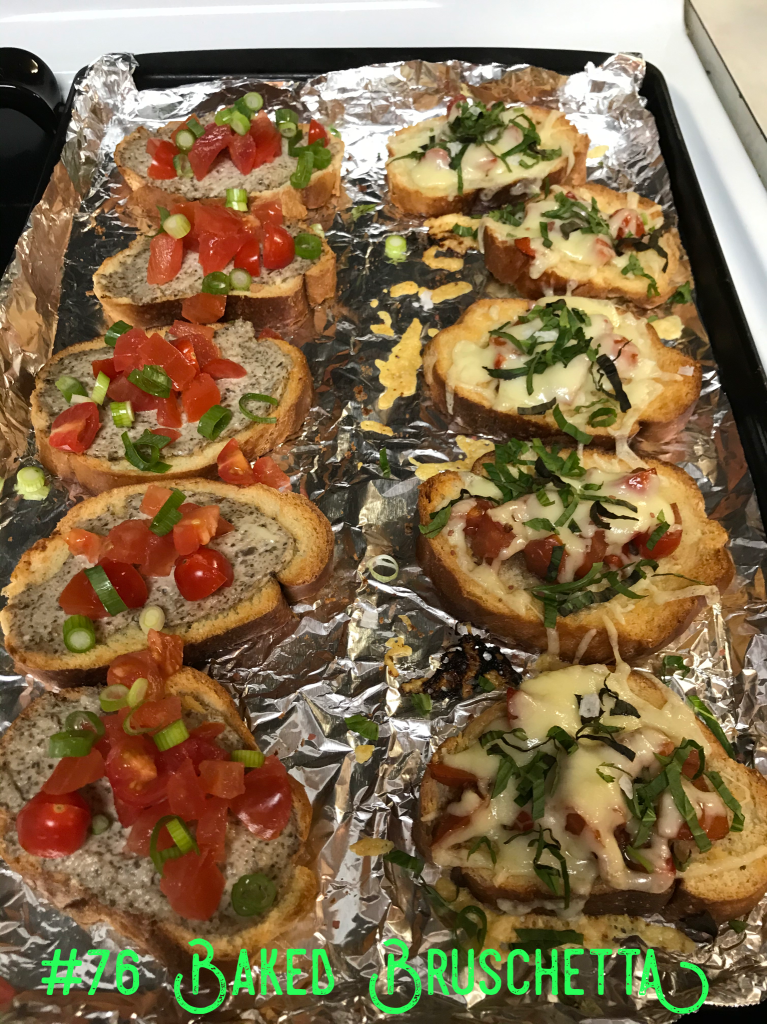
Moving right along! On a more positive note, you’d be hard pressed to come up with a flaw in Jo’s Baked Bruschetta. I made two versions for my book club a few months back, and her interpretation with fontina, basil and tomatoes is perfect for this season, when those things are bountiful in “Quarantine Gardens” everywhere. Fontina is a great melter, and the mild flavor allows the fresh flavors to shine. (P.S. the second type I made was by Julie Hyzy, mystery author, from her White House Chef series. It featured a mushroom “mousse” that may not be the prettiest – think pâté – but was likewise delicious!)
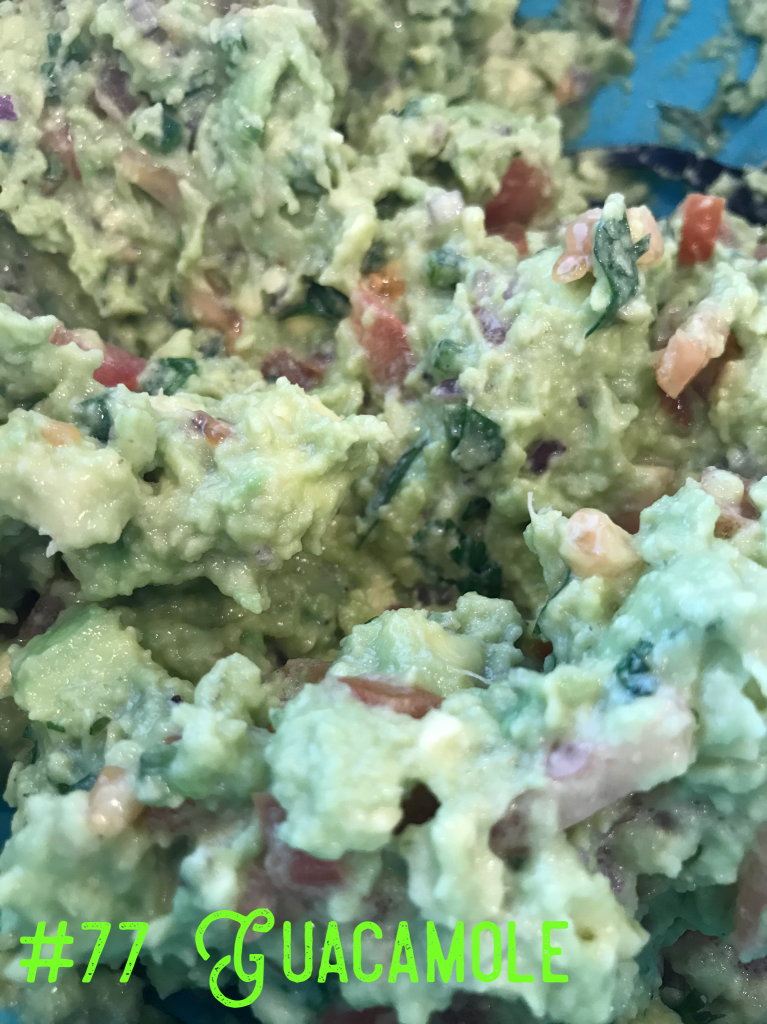
Before the summer is over, you need to make this Guacamole. This was a poker night winner with an extra kick from minced jalapeños and the freshness of cilantro. It’s almost as easy to make this version from scratch as it is to pick up a pre-made guac from the store but tasted a thousand times better. Granted, at the same time I was making Fresh Tomato Salsa, so I was already chopping away. The salsa was also popular with my crowd, but I found it a bit “wet” for my taste. Letting the fresh veggies sit for a few hours prior to serving definitely melded the flavors, but it also allowed the salt to draw tons of water from them. A quick spin in the blender might have produced my preferred, smoother salsa texture, but I didn’t have a chance to do that since there were no leftovers. I guess that says it all!


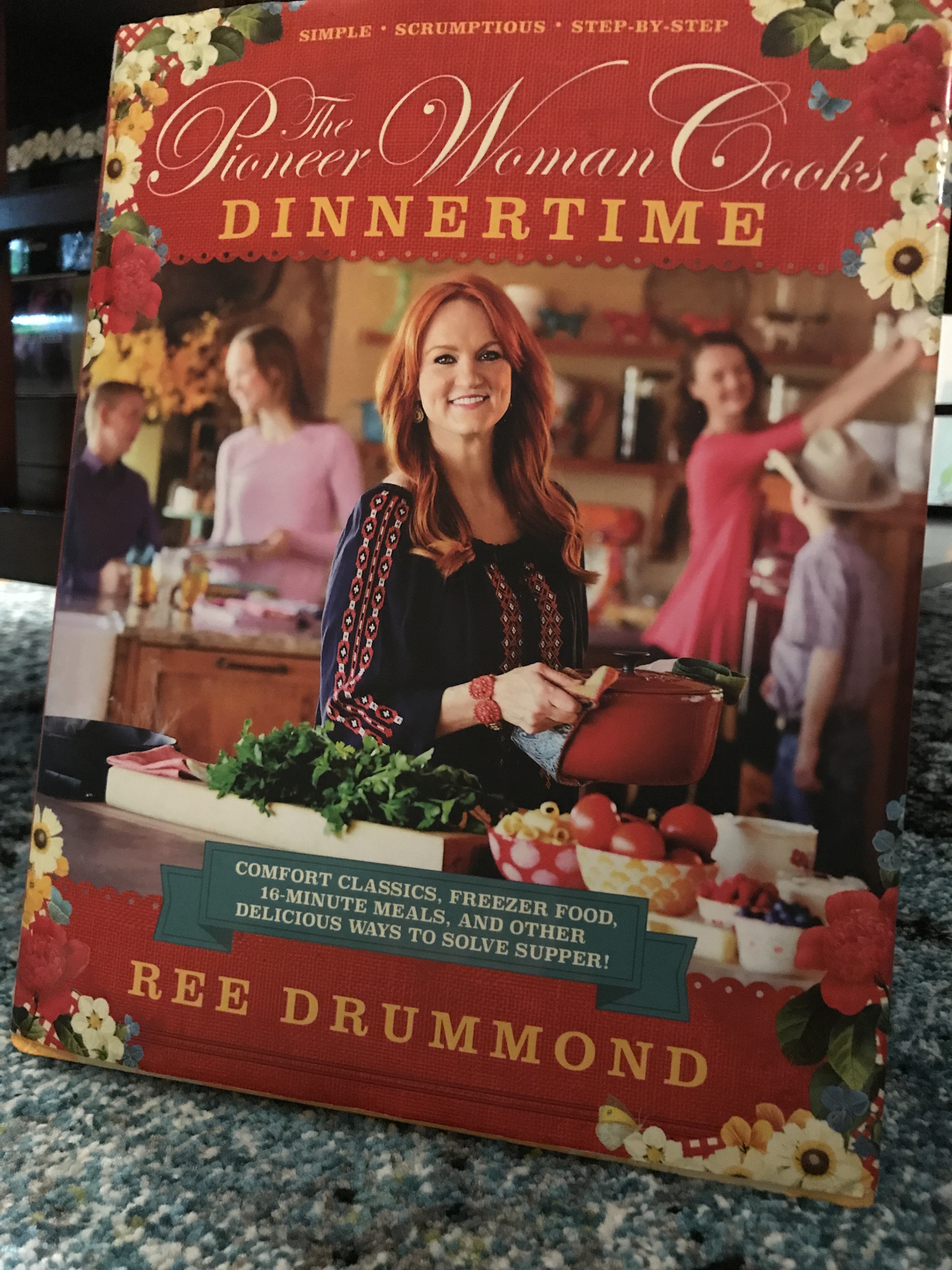
 I started it last night, with the onions sauteed in bacon fat and tossed with the cauliflower florets until they were fork-tender… perfection! Then I drowned them. After the point of no return with the chicken broth, I added the roux, hoping that would salvage it. I used my immersion blender sparingly at first, then whipped it within an inch of its life, trying to thicken the soup to a consistency remotely close to the picture. And then I gave up. I decided to throw it in the fridge… ok, the porch, since my refrigerator is full and it’s about 5 degrees outside… Luckily Ree gave advice on this contingency, and said if you want to make the soup a day ahead, just stop at the step before adding the cheese, then put it in during reheating. So I put it on the stove this morning to see if it had improved overnight, and guess what?? Still thin. Plus, a little bland. Not a winning combination. I decided to withhold judgment until I put the cheese in (there’s salt in cheese, right??) and tossed those aforementioned bacon pieces in. I’m not a fan of salty food, but underseasoned food is just SAD. These additions made a big improvement, flavor-wise, but darned if it wasn’t still too runny. Then the BRAINWAVE!! I had several bags of frozen riced cauliflower in the freezer from an ill-fated attempt at a gluten-free diet for my son (long story short, it didn’t happen, after $500 spent at the grocery store on weird stuff like this). I microwaved one 11 ounce bag and tossed it in, mixed that with the ol’ immersion blender, then added a second bag without blending to give texture. Problem solved! The finished product looked just like the picture once I garnished with a little parsley and bacon, and it was universally enjoyed by both me and the kids. So the moral of this story is: only add about half the broth and call it good. Either that, or be sure to invest in a large stock of 1-quart Ball jars! Happy New Year! See you all in 2018…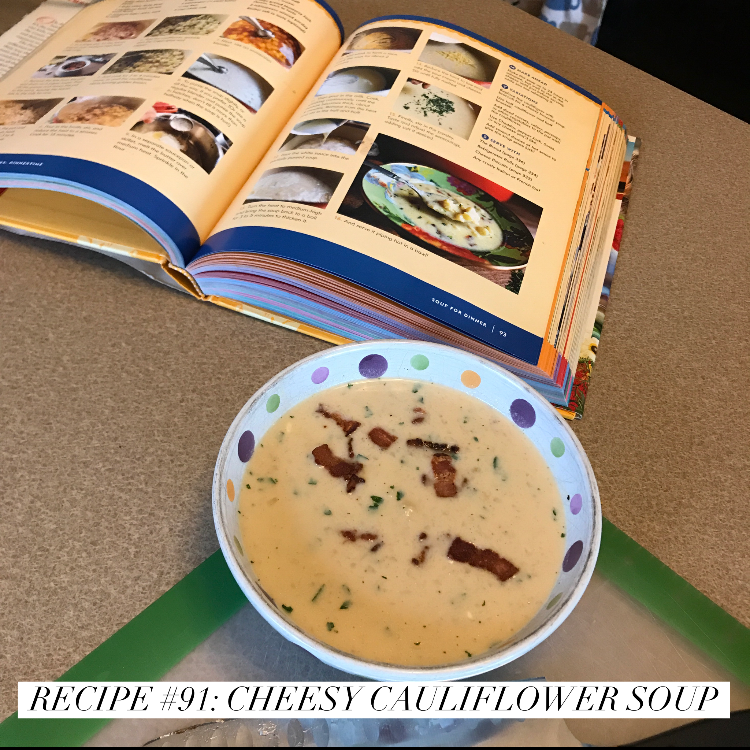
 Have Book, Will Cook